
Our Story
It started with a text to ourselves.
You know the one. The 11pm "don't forget to call the dentist" message you send to your own number. The screenshot of a birthday gift idea buried under 400 other screenshots. The sticky note on the fridge that you stopped seeing two weeks ago.We were both doing this. Constantly. Three calendars. Five notebooks. Notes app full of lists we couldn't find when we needed them. And still — still — forgetting to take the garbage out on Friday.
We weren't disorganized, but overloaded.And the tools that were supposed to help? They wanted us to set up projects, assign priorities, block our time, and basically run our homes like a corporate calendar. That's not help and it ends up being a second job.
It Wasn't Just Us
We started talking to other women. Not pitching an app — just asking: how are you actually keeping track of everything?The answer, over and over, was some version of: "I'm not. I'm just trying not to drop anything important."We spoke with over 150 women. The pattern was overwhelming:
Most of them rated their mental load a 7 out of 10 or higher. But almost two-thirds weren't using any task app at all. Not because they didn't want help — because the tools that existed didn't match how their brains actually work. That gap — overwhelming mental load but a lack of tools people actually use — became the starting point for Thinkii.One woman told us she needed "voice to text so I can just verbalize my to-do." Another said she wanted something that "helps me manage my life that's not just another calendar."
They weren't asking for more features and they wanted to carry less.That's when we stopped talking about the problem and started building the solution.
The Two of Us
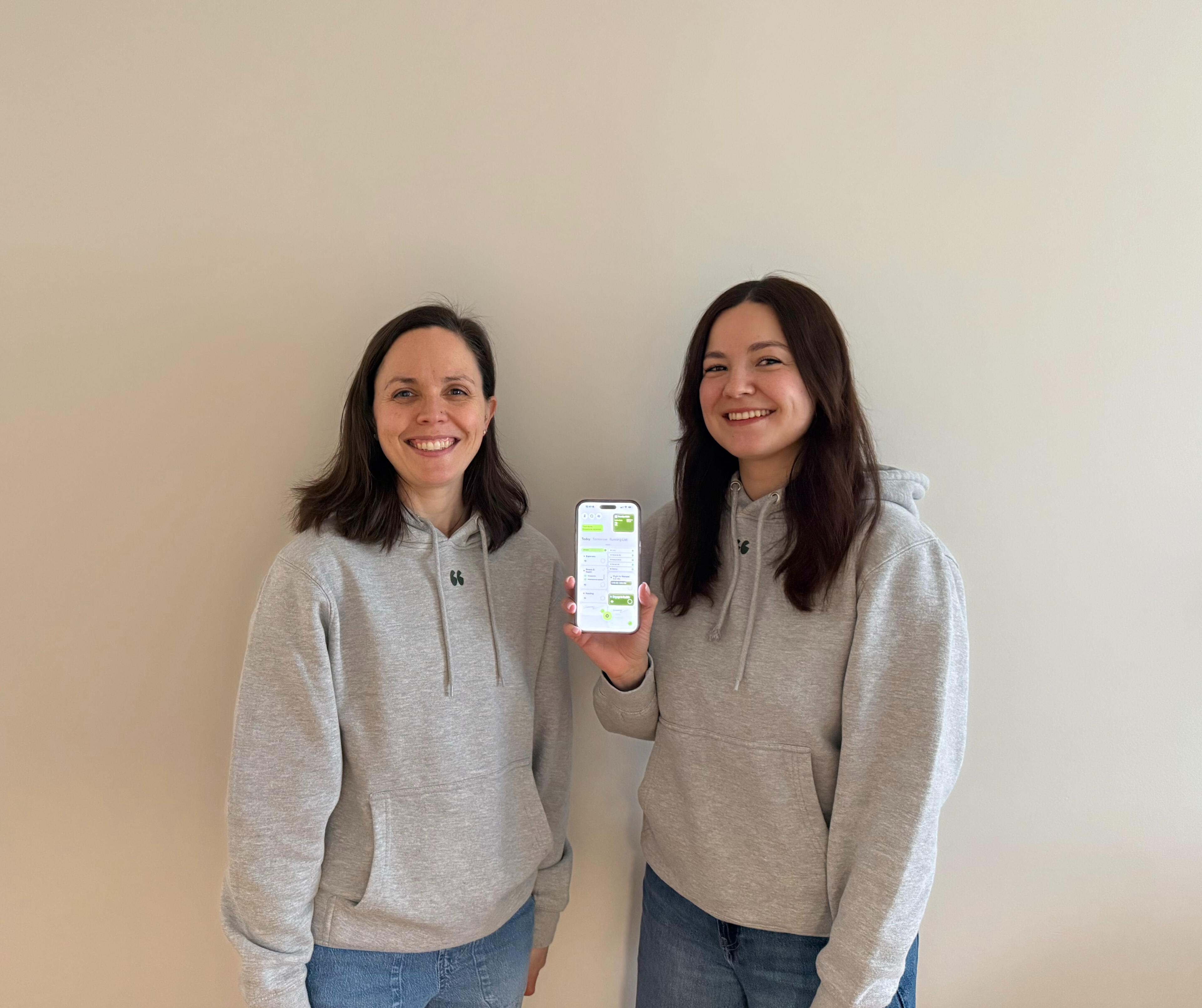
We met years ago, working together on the same team. The kind of working relationship where you finish each other's sentences and have the same instinct for what "good" looks like — before either of you says it out loud.We stayed close after that. And the more we talked about our own lives — the mental clutter, the invisible labor of just keeping track of everything — the more we realized we weren't just venting. We were describing something that needed to exist.One of us builds the product. The other shapes the strategy and the brand. We move fast because we trust each other completely — and because we're both living the problem every single day.Thinkii isn't something we built from the outside looking in. It runs our own lives. One of us uses it to remember to brush her dog's teeth every week. The other's five-year-old once said "put it in Thinkii so I can see" — and went to sleep calm, trusting that mom wouldn't forget.That's the feeling we're building for everyone.
What We Believe
We don't have a list of corporate values on a wall. We have a few things we refuse to compromise on:We will never make you feel guilty for not finishing your list.
Thinkii doesn't nag. Doesn't turn red. Doesn't send you shame notifications. If something sits on your Running List for three months, that's fine. It's safe there until you're ready.We build less on purpose.
Every feature we don't add is a decision. The world is full of apps that do everything and help with nothing. We'd rather do three things that actually make your day feel lighter than thirty things that make you feel like you need a tutorial.This is not a productivity app wearing a soft font.
We're not here to help you optimize your output. We're here so that when something pops into your head at 11pm, you can say it out loud, let it go, and actually sleep. The relief isn't in finishing the list. It's in knowing nothing will slip through the cracks.We respect the invisible work.
The remembering. The planning. The carrying. The "did I already do that or did I just think about doing it?" We see it. We built Thinkii because of it. And we'll never add to the load we're trying to lighten.
Where This Is Going
We're not building the next productivity suite.
We're building the place where everything your brain is tired of holding can finally live.
We're just getting started. And we'd love for you to be part of it.
Meet the Founders
Alysha Vazquez
Co-Founder
LinkedInAlysha Vazquez is the co-founder of Thinkii. She has spent over a decade working in operations, strategy, and leadership roles in the technology sector, helping teams build systems and processes that bring clarity to complex work.Throughout her career, Alysha has focused on improving how people manage responsibilities, coordinate work, and reduce unnecessary friction in daily life.At Thinkii, Alysha leads company strategy, product direction, and growth.
Olena Drozd
Co-Founder
LinkedInOlena is the co-founder of Thinkii. She is an experienced product and engineering leader who has built and led software development teams across multiple startups and technology companies.She designed and built the Thinkii platform from the ground up, focusing on simplicity, performance, and intelligent automation that helps reduce friction for users.At Thinkii, Olena leads product architecture, engineering, and AI development.
The Company
Thinkii Inc. is a Canadian technology company based in Ontario, Canada.The company is building tools designed to reduce mental load and help people manage everyday life with greater clarity. Its first product, the Thinkii app, helps users quickly capture thoughts and responsibilities so they no longer have to keep everything in their heads.
Need help with Thinkii? We’re here for you.Email us anytime at: [email protected]We typically respond within 1–2 business days.